Most browser RPGs are paced by clocks rather than by how long you can sit still. Learn to work with those clocks and a long game becomes a pleasure instead of a chore.
Why so many browser RPGs run on clocks
Browser role-playing games grew up as something you check on during the day, often in a spare tab at work or school. Designers built them around that habit. Instead of asking you to fight every monster by hand for hours, they let you make a decision, step away and come back to the result. A quest, an expedition or a job ticks down in real time while you live your life.
There is a quieter benefit as well. Because the clock sets the pace, a player with a demanding job is rarely left far behind by someone with endless free time. Everyone’s quests take the same hours to finish, everyone’s meters refill on the same schedule, and the gap between the busiest and the idlest player is narrower than in a game where progress depends on hours at the keyboard.
That design is the reason these games can last for years. A clock spreads progress over weeks, keeps the community moving at a similar pace and stops anyone from exhausting the content in a weekend. It also means the way you organize your day matters as much as the way you build your character.
Five of the six games we review on Cedarlynxplay use some form of clock. Learning how each one works is the single most useful thing a new player can do.
Three kinds of clock you will meet
The first kind is the timed task. In Tanoth you pick an adventure from the quest board and wait for it to finish; in The West you queue jobs at a spot on the map; in Gladiatus your expeditions recharge over time. You make the choice, and time does the work.
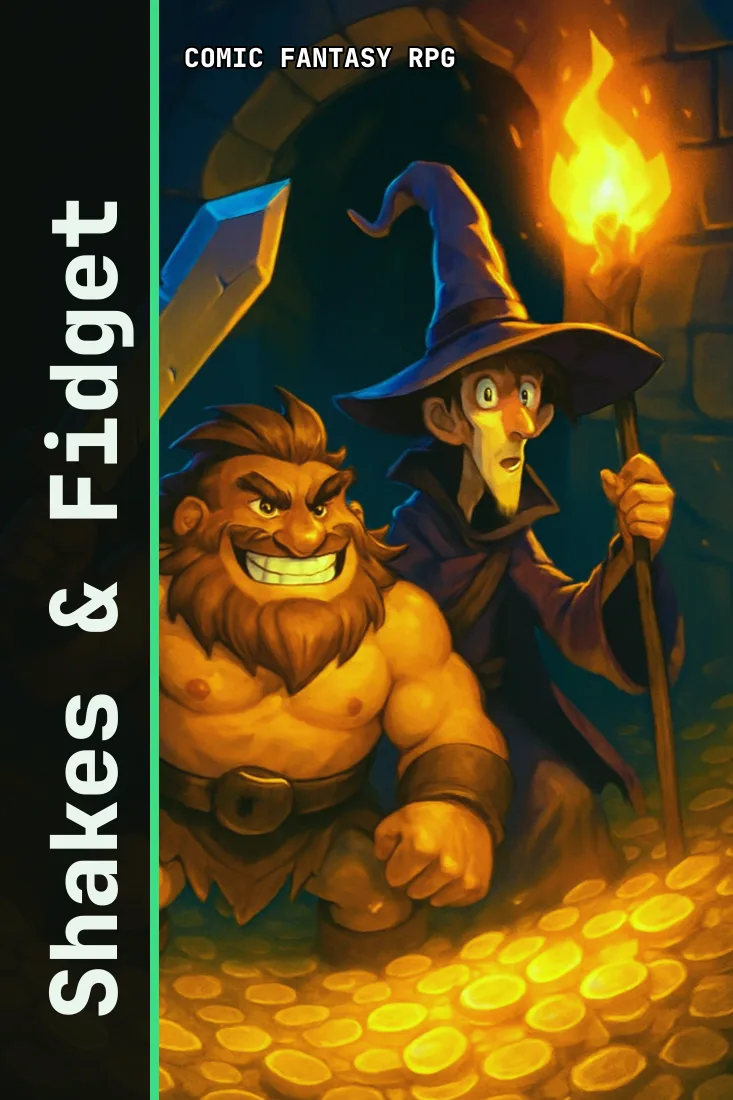
The second is the daily meter. Shakes & Fidget measures tavern questing with a thirst bar that refills each day, which caps how much questing anyone does and quietly invites you back tomorrow. It is one of the kindest pacing systems we know, because it makes stepping away feel like part of the game rather than a failure.
The third is stamina. Fallen Sword spends stamina every time you fight a creature, and stamina refills gradually. Here the clock does not do the fighting for you; it decides how much fighting you can do. Planning which creatures to hunt with the stamina you have becomes a small daily puzzle.
Build a routine around three check-ins
The most reliable rhythm we have found is three short visits a day: one in the morning, one around lunch, one in the evening. In the morning, queue the longest sensible task, so it runs while you work. At lunch, collect results and set something shorter. In the evening, spend points, upgrade gear, talk to your guild and set an overnight task if the game allows it.
This pattern works whether you are on a train into the city, between classes or at a kitchen table after the kids are in bed. Each visit takes a few minutes, and none of them feel like an obligation. The key is matching the length of each task to the gap before your next visit, so the hero is never idle for long.
Do not chase perfection. Missing a check-in costs you a little progress, not the game. The players who last for years are the ones who keep it relaxed.
Time zones are worth a thought too. Fort battles in The West and guild boss fights in Tanoth are scheduled by the community, often in European evening hours. If you play from British Columbia, that can mean a lunchtime fight; from Halifax, an afternoon one. Ask your guild when the big events usually land before you commit to a world whose rhythm will never meet yours.
Spending stamina and points wisely
When a game measures your activity, every unit matters. In Fallen Sword, experienced hunters think about how much experience they get per point of stamina and use buffs bought from other players to stretch it further. In Shakes & Fidget, comparing quest length against reward is a small daily skill that adds up across weeks.
The same thinking applies to attributes and gear. Before a long task, make sure your hero is equipped for it; after a level-up, spend your points before you queue the next adventure. Small habits like these turn the same amount of play time into noticeably faster progress, without a single purchase.
Keep a short note of what works. A line in a notebook or a phone memo about which quest or creature paid best is worth more than any number of guides.
Drakensang Online, the outlier on our shelf, has no task clock at all, but the same principle applies to your evenings: decide in advance how long you will play and what you want to finish. A clear goal, such as one dungeon run or one region cleared, makes an hour feel complete instead of open-ended.
Knowing when to log off
Clocks are generous, but they can also tug. Some games put the shop right beside the timer, offering to finish a task instantly or refill a meter early. The healthiest habit is to treat the clock as the natural rhythm of the game rather than an obstacle. If you find yourself frustrated by waiting, take that as a sign to step away rather than to hurry.
Good browser RPGs are designed to be played in small pieces over a long time. The ones we rate highest, The West and Shakes & Fidget among them, make walking away feel normal, and they reward you for coming back rather than for staying. That is a fine way to spend a hobby.
A simple test helps. If a game leaves you calmer after a check-in than before it, the clock is working for you. If it leaves you restless, counting minutes until the next refill, it may be time to loosen your routine or try one of the gentler worlds on our list, such as Tanoth.
And if you want something to do with your hands rather than your patience, there is always Drakensang Online, the one game on our shelf where the only clock is your own cooldown bar.