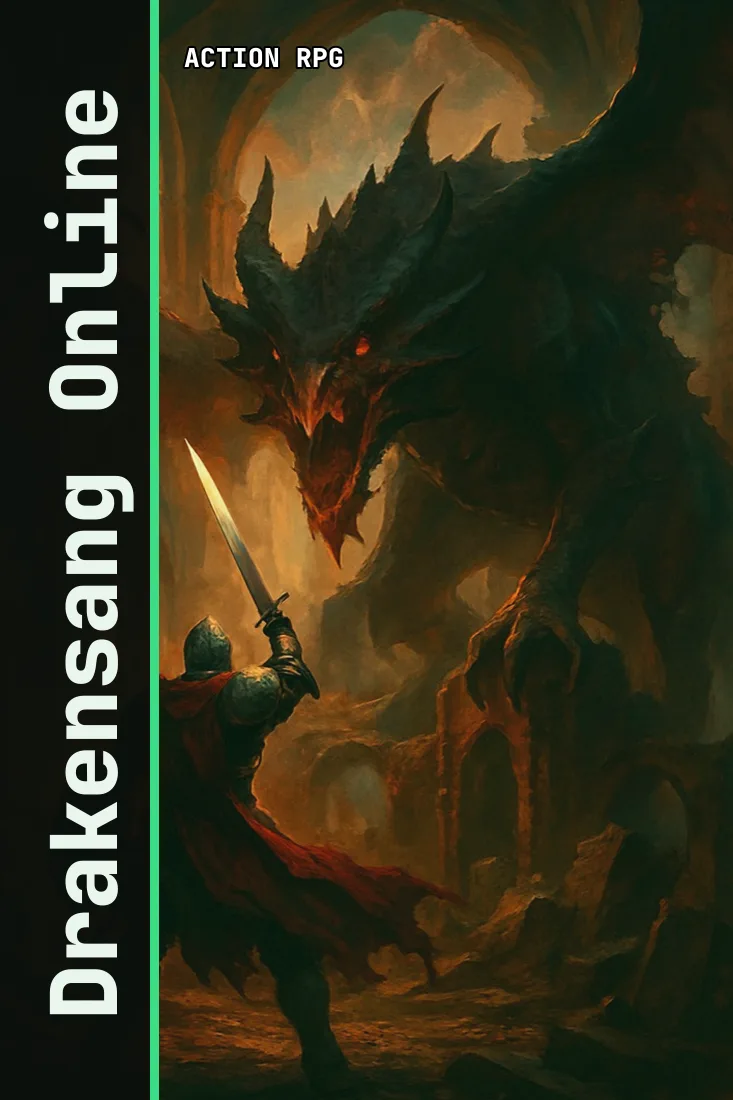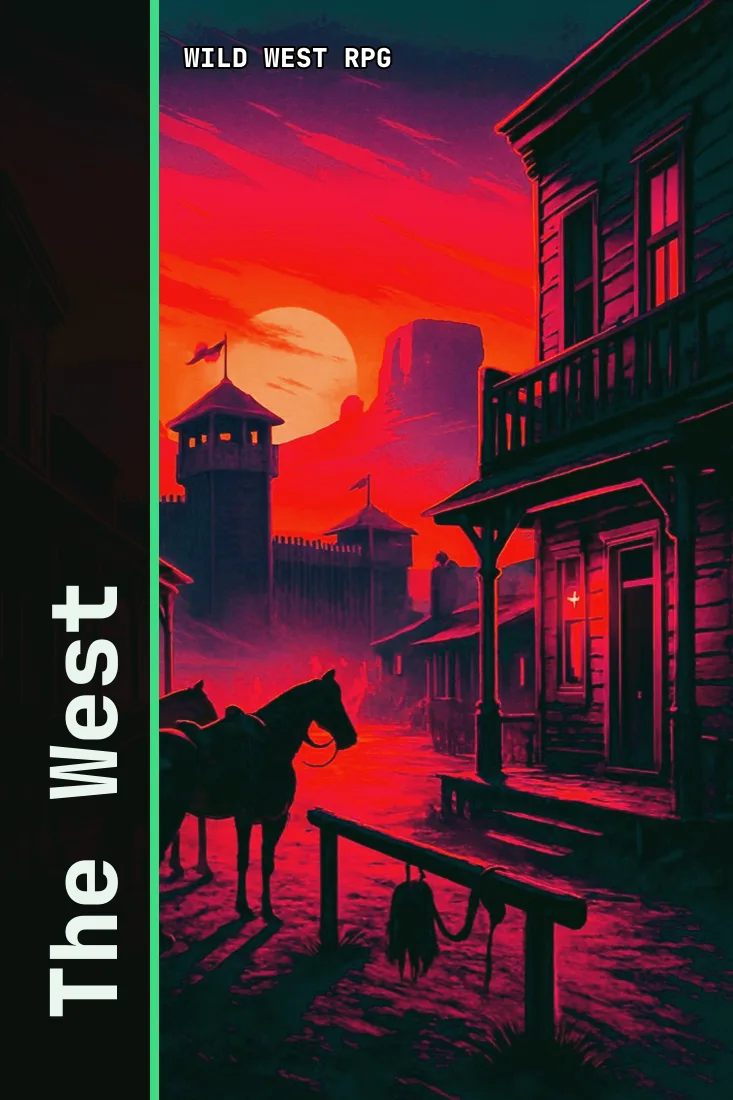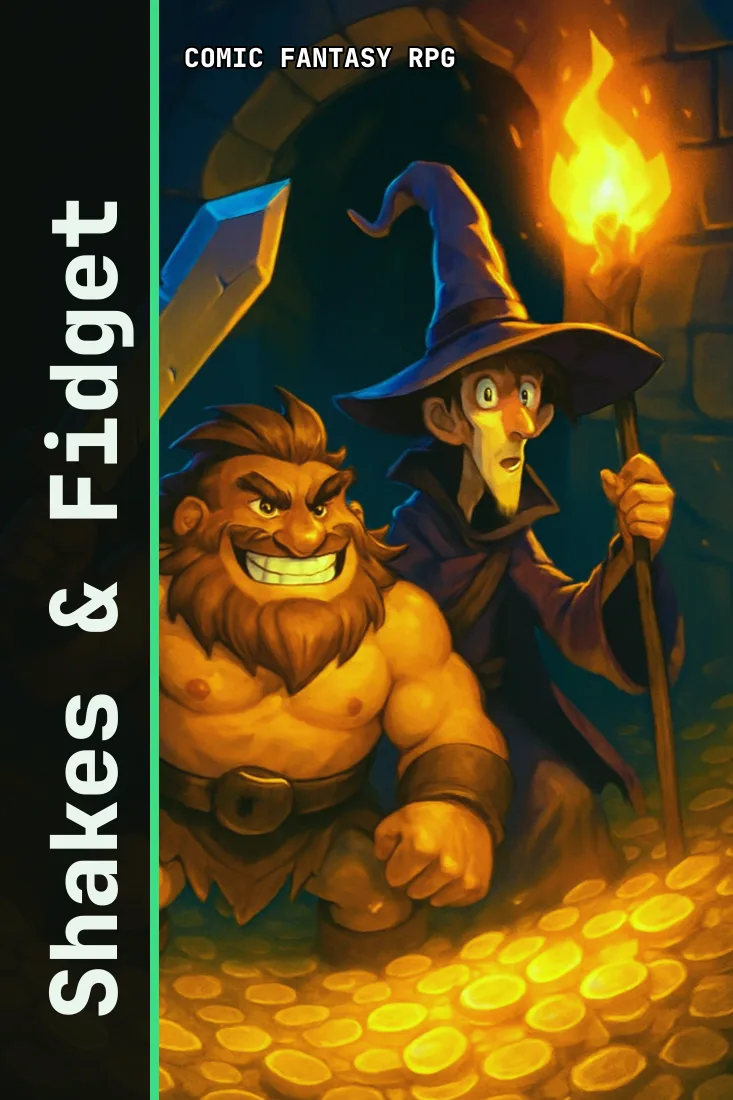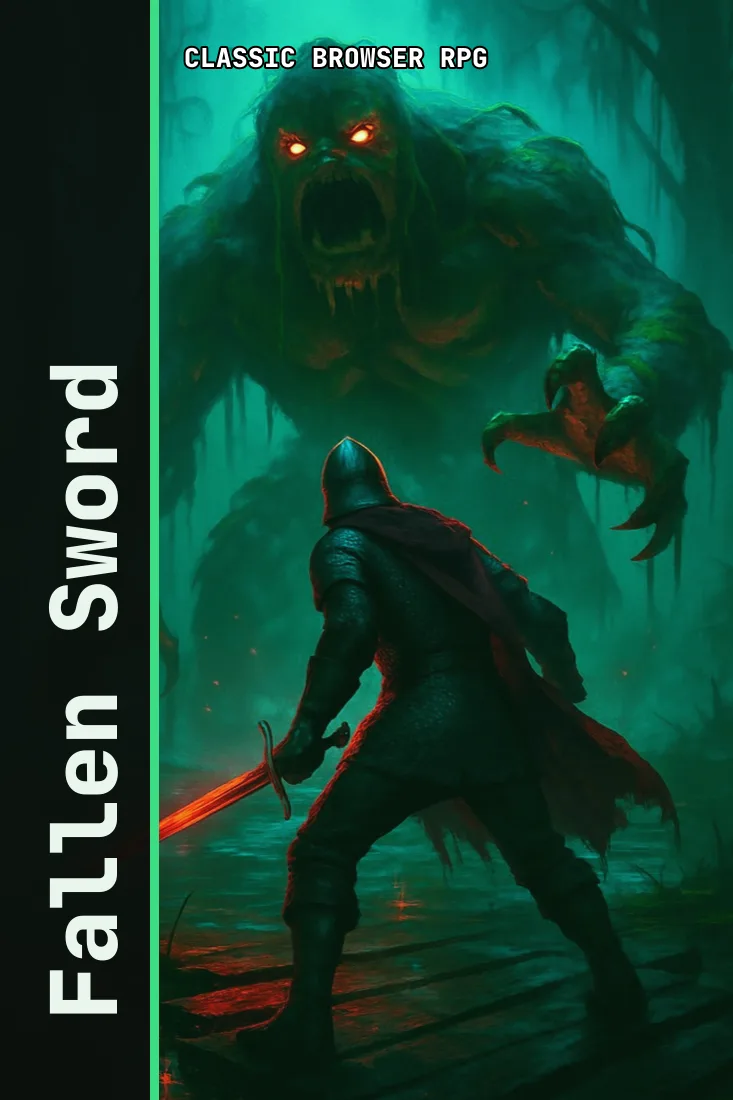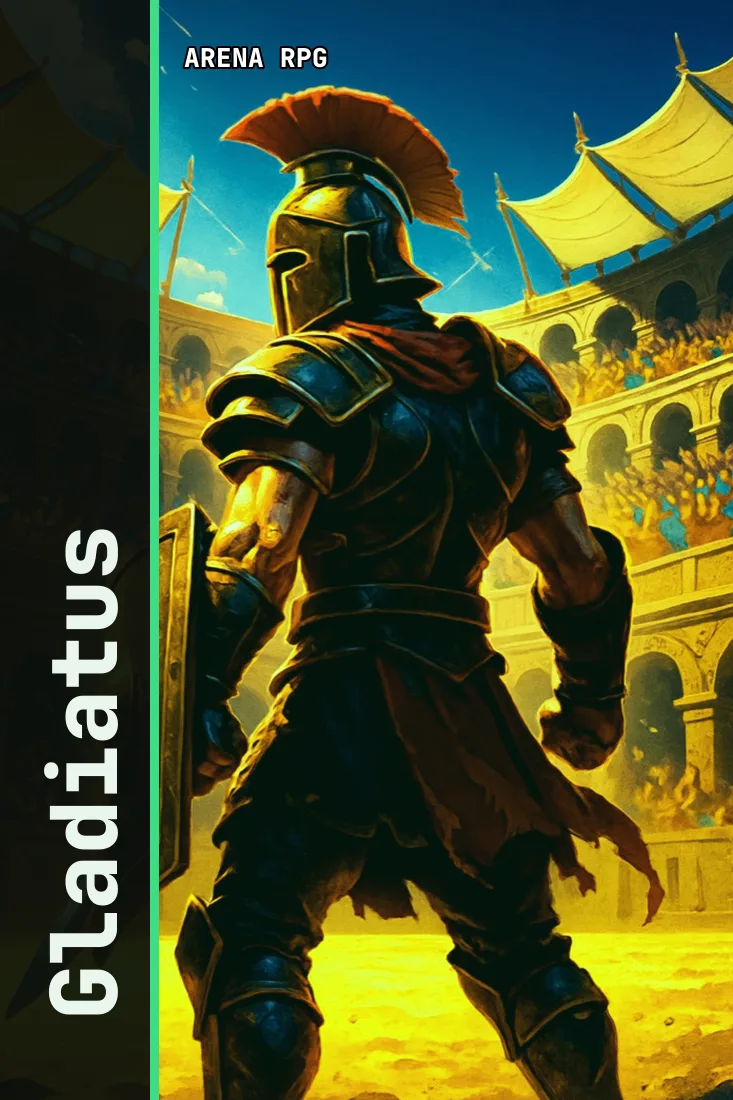
Gladiatus is one of the older games on our shelf, published by Gameforge with a copyright line that runs back to 2007. Its setting is the Roman Empire, mixed with a measure of legend and fantasy, and its hero is a gladiator fighting for fame in the arena and fortune on the road. Gameforge counts more than a hundred distinct opponents and over a thousand items, and both numbers feel right once you are in.
The game is built around timers and auto-resolved fights. You decide where your gladiator goes and what they wear; the clock and the numbers handle the rest. That makes Gladiatus a natural partner for a busy day, and we played it exactly that way: a minute with the morning coffee, a minute at lunch, a longer look at gear in the evening.
Expeditions on a Roman clock
Expeditions are the backbone. You choose a location and an opponent, your gladiator fights, and the result comes back with experience, gold and the occasional piece of equipment. Expeditions recharge in real time, so you cannot run them endlessly; the game asks you to return across the day rather than binge.
Each opponent has its own strengths and weaknesses, and Gameforge’s own pitch is that success comes from reading them. In practice that means picking fights your build can win and knowing when to move on to a tougher region. It is simple, readable and quietly compelling, especially in the early weeks when every expedition seems to improve something.
Fame on the arena sand
The arena is where you fight other players, and it is resolved automatically from your attributes and equipment. You pick an opponent from a list, watch the outcome, and your standing rises or falls. Winning feels good; losing points straight at the piece of armour you should upgrade next.
Because fights resolve instantly, the arena is more about preparation than reflexes. That suits the game’s check-in rhythm but limits its drama. Duels are brief, and after a few months we found ourselves skimming results rather than savouring them. Still, the steady climb of a gladiator’s reputation is an honest motivator.
Dungeons, gear and the player market
Dungeons offer harder sequences of fights and better rewards, and they are where the rarer equipment comes from. With more than a thousand items in the game, kitting out a gladiator becomes a long hobby in itself, and the player market lets you buy the pieces you need from others and sell what you do not.
That market is one of Gladiatus’s best features. It gives gold a purpose, lets your spare finds become somebody else’s upgrade, and builds a small economy around the arena. Guilds sit on top of this, letting you join friends and combine strengths, though the social side feels thinner than in The West or Fallen Sword.
Where the years show
Gladiatus is clean and quick, but it is also visibly old. The interface is functional rather than inviting, and the core loop changes little between week two and month three. Players who need variety may drift away once the shape of the day becomes familiar.
On fairness, the game is workable but not generous. The shop is prominent, and spending speeds up recharge and progress in ways that are easy to notice in the arena rankings. Our free gladiator kept improving, just more slowly than paying rivals. It is a solid daily ritual rather than a world to get lost in, and our scores reflect that.
Seven sunrises in Gladiatus
- Run expeditions against the easiest opponents first and note which ones your gladiator beats cleanly.
- Upgrade weapon and armour before chasing arena ranking; gear decides most early fights.
- Check the player market daily to learn what equipment is worth before selling your finds.
- Try your first dungeon once expeditions feel easy, and stop when it clearly outclasses you.
- Join a guild by the end of the week to learn from veterans which attributes your build needs.
What wore thin
- Auto-resolved fights lose their drama after a few months.
- The shop’s influence shows clearly in the arena rankings.
- An old interface that has not aged as gracefully as its rivals.
Reasons we lingered
- A tidy, quick daily loop that fits easily into breaks.
- A huge range of equipment to collect and trade.
- The player market, which gives every find a possible buyer.
- A Roman setting with a light touch of legend that suits it.
Who will settle into Gladiatus
Gladiatus suits the player who wants a short, satisfying routine and a character who visibly grows stronger every week. If you like gear, trading and a clear daily rhythm, and do not mind fights you watch rather than steer, it fits neatly into a busy schedule.
Tamarack’s last word on Gladiatus
Gladiatus is a well-made daily ritual: expeditions, arena, dungeons and market fit together cleanly, and the Roman setting gives it character. It is also old, a little repetitive and less generous to free players than the games above it. As a quick check-in RPG it does its job well; as a world to live in for years, it is outclassed on our shelf.